



Rim vs Wheel vs Tire: What's the Difference?

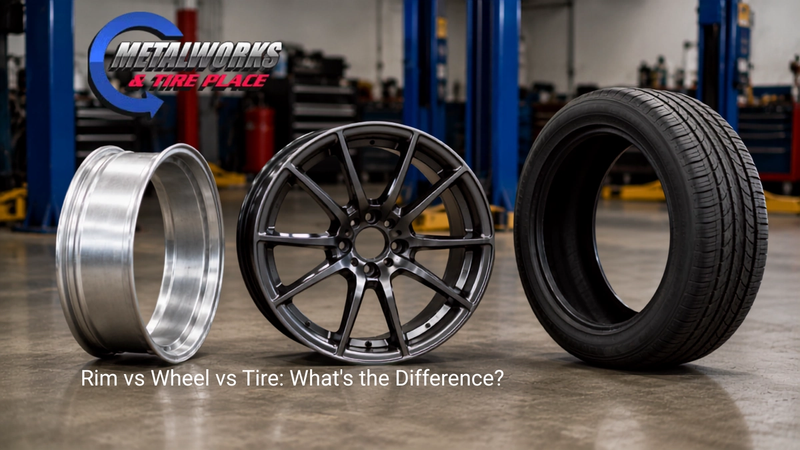
If you've ever called a wheel a "rim" or wondered whether they're actually the same thing you're not alone. The terms get used interchangeably in conversation, in ads, and even at tire shops. But they don't mean the same thing, and understanding the difference matters more than you might think when you're dealing with wheel damage, buying replacements, or talking to a repair technician.
This guide breaks down what a rim is, what a wheel is, and what a tire is how they relate to each other, why the confusion exists, and why getting the terminology right can save you money and miscommunication at the repair shop.
What Is a Wheel?

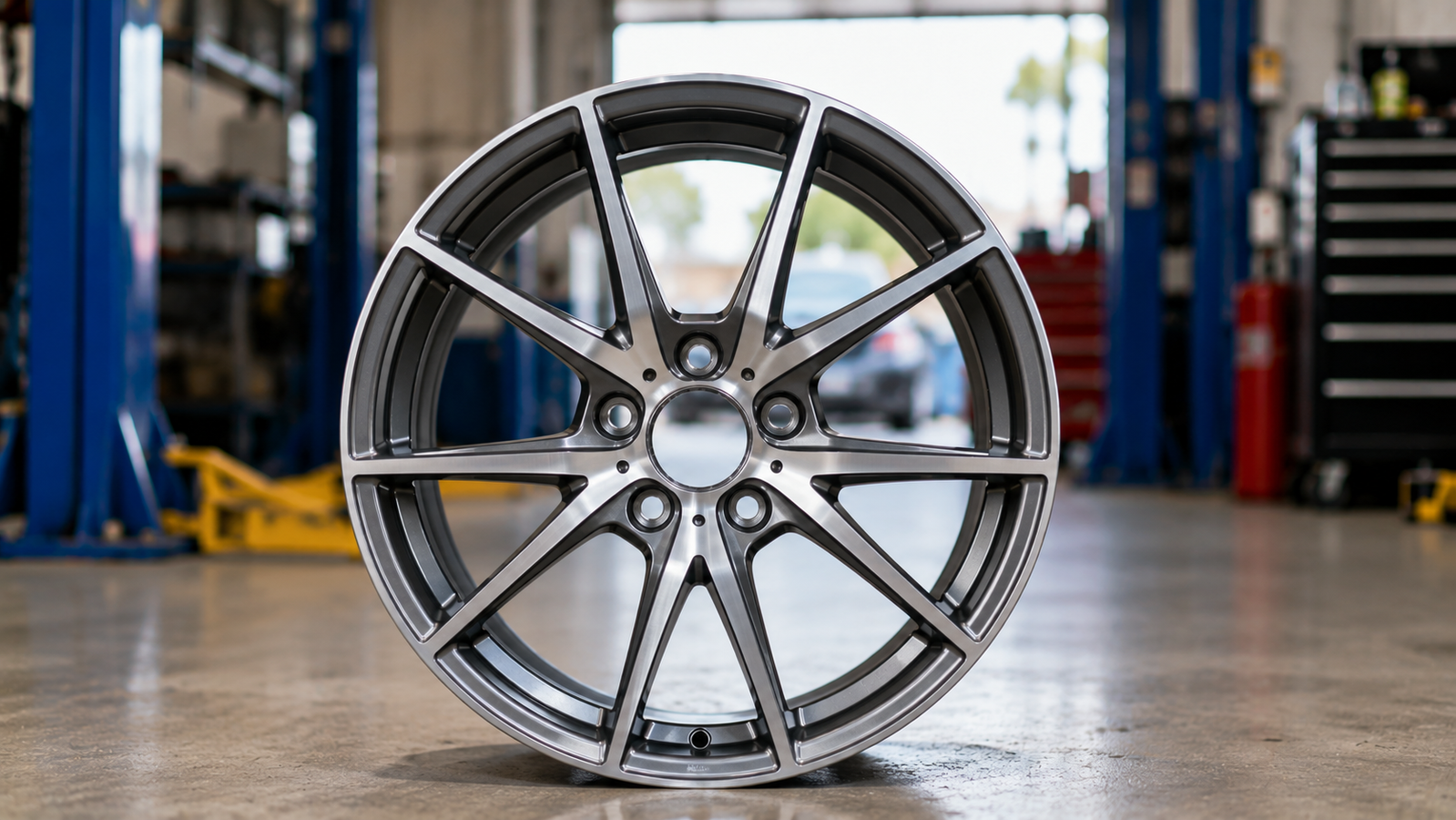
The wheel is the entire round metal structure that bolts to your vehicle and holds the tire. It's the full assembly the center hub, the spokes, the barrel, and the outer lip all together. When you look at your car and see the metal part between the tire and the brake rotor, you're looking at the wheel.
Most modern wheels are made of either aluminum alloy (lighter, stronger, more common on passenger vehicles) or steel (heavier, more durable, often used on trucks and off-road vehicles). The wheel is what carries the vehicle's weight, transfers braking and acceleration forces to the tire, and keeps everything rotating true.
When we talk about wheel repair, wheel straightening, or wheel refinishing at our Santa Ana shop, we're talking about working on this entire metal structure not just one part of it. For a full overview of the damage types we handle, visit our wheel repair page ([/wheel-repair]).
What Is a Rim?

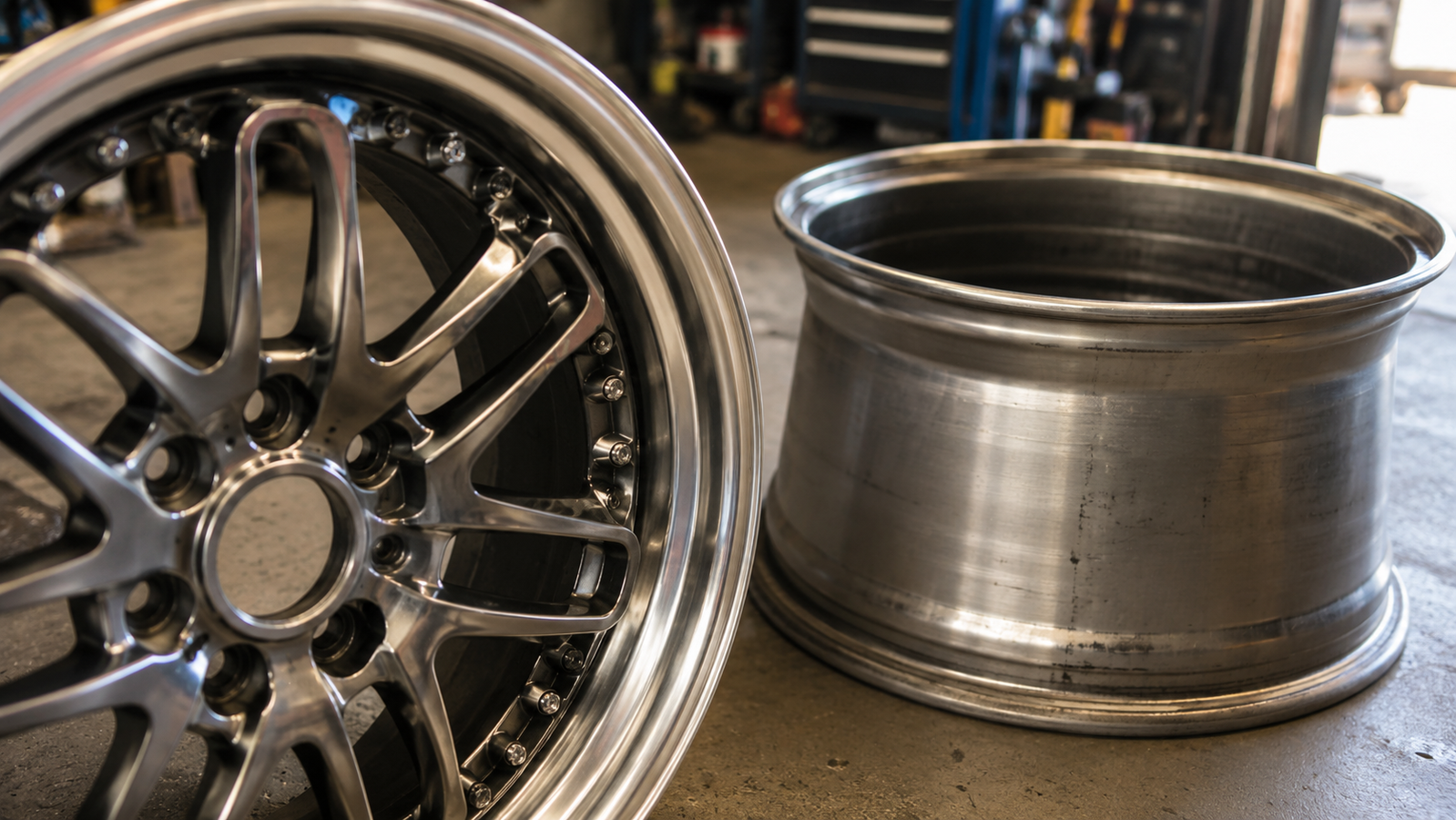
Here's where the confusion starts: the rim is not the whole wheel. It's a specific part of the wheel.
The rim is the outer edge of the wheel the cylindrical barrel where the tire mounts and seals. Technically speaking, the rim is the portion of the wheel that holds the tire bead in place and creates the airtight seal that keeps the tire inflated.
So when someone says "I scratched my rim," what they usually mean is that they scraped the outer edge of the wheel the lip or barrel area. That damage is commonly called curb rash, and it's one of the most frequent repairs we see. Learn more about how we fix that on our curb rash and wheel refinishing services ([/wheel-repair]).
The confusion comes from decades of casual usage. In car culture especially in hip-hop, social media, and aftermarket parts marketing "rims" became slang for the entire wheel. You'll hear people talk about "buying new rims" when they actually mean buying new wheels. The terms have blurred in everyday language, even though they refer to different things in technical terms.
The short version: Every wheel has a rim. But not every "rim" people refer to is actually just the rim they're usually talking about the whole wheel.
What Is a Tire?

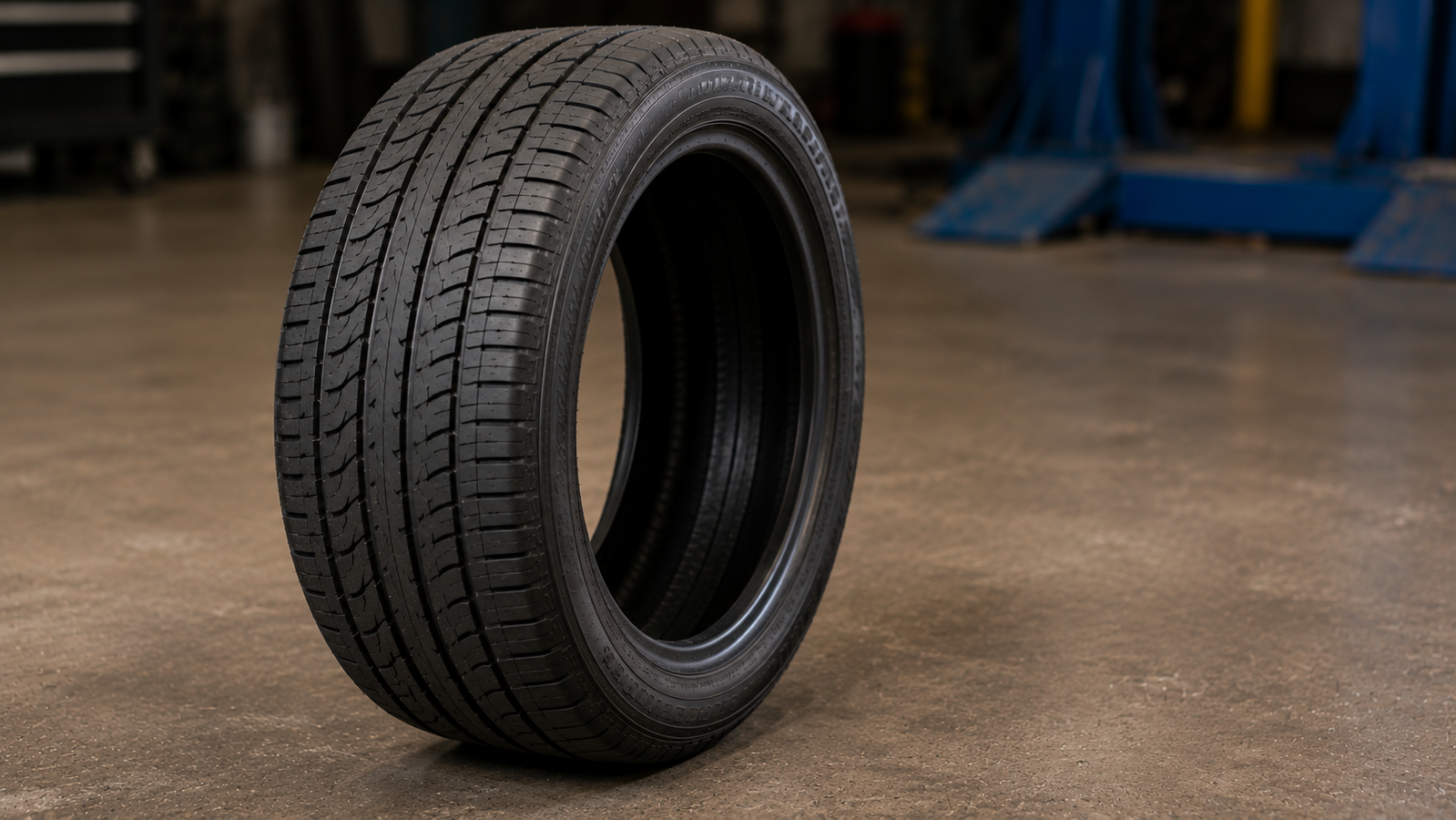
The tire is the rubber component that mounts onto the wheel's rim and makes contact with the road. It's the only part of the wheel-tire assembly that actually touches the pavement.
Tires are made from a combination of natural and synthetic rubber, fabric cords, and steel belts. They provide grip, cushion the vehicle from road imperfections, and support the vehicle's weight through the air pressure contained inside.
The tire seals against the rim's bead seat a precisely machined lip on the wheel that creates an airtight connection. When that seal is compromised by a bent rim, corrosion, or a crack, the tire loses air even though there's no puncture in the rubber itself. This is why wheel damage often shows up first as a tire that keeps going flat.
How the Three Parts Fit Together
If you're a visual learner, here's the simplest way to picture it:
- The wheel is the full metal circle hub, spokes, barrel, and outer edge combined.
- The rim is the outer edge of that wheel the part the tire wraps around.
- The tire is the rubber that mounts onto the rim and rolls on the road.
They work as a system. The wheel provides the rigid structure. The rim provides the mounting surface and airtight seal. The tire provides the cushion, grip, and contact patch with the road. Damage to any one of these parts affects the others a bent rim causes uneven tire wear, a cracked wheel causes air loss, and a damaged tire can't protect the wheel from impacts.
Why the Difference Matters at the Repair Shop
Using the right terminology doesn't just make you sound knowledgeable it helps your technician diagnose the problem accurately and quote the right repair.
If you call and say "my rim is damaged," the shop might assume you mean cosmetic curb rash on the outer edge. But if your wheel is actually bent or cracked on the barrel, that's a different repair entirely one that involves straightening or welding, not just refinishing.
Here's a quick reference for matching common damage descriptions to the right terms:
- "I scraped my rim on a curb" You likely have curb rash on the outer lip of the wheel. This is a cosmetic refinishing repair.
- "My wheel is bent from a pothole" You have a structural bend that needs wheel straightening to restore the wheel’s shape.
- "My tire keeps losing air but there's no puncture" The problem may be a bent rim, a cracked wheel, or corrosion on the bead seat not the tire itself.
- "I want to change my rim color" You’re looking to refinish the entire wheel, not just the outer edge. Powder coating or painting can give the wheel a completely new finish.
When you describe the problem accurately, the shop can prepare the right equipment, give you a more accurate estimate, and get the repair done faster.
Are Rims and Wheels the Same Thing?
No but the answer comes with an asterisk.
Technically, a rim is a part of a wheel, not a separate component. You can't buy "a rim" by itself you buy a wheel, and that wheel has a rim as part of its structure. Mechanics, engineers, and wheel repair technicians use the terms precisely because the distinction affects diagnosis and repair.
In everyday conversation, though, "rims" and "wheels" are used to mean the same thing. If you tell a friend you're getting new rims, they'll know you mean new wheels. The slang is so widespread that fighting it is pointless but knowing the technical difference helps you communicate clearly when it matters.
What About "Rim Size" vs "Wheel Size"?
This is another source of confusion. When a tire shop or manufacturer lists a wheel as "18-inch," they're referring to the diameter of the rim the outer edge where the tire mounts measured in inches across the full circle.
So when you see "18-inch wheels" or "18-inch rims," both phrases are referring to the same measurement: the diameter of the wheel's rim barrel. An 18-inch tire is designed to fit an 18-inch rim. The sizing system is consistent even when the terminology isn't.